Submitting work should be the simplest part.
Why sendkan exists, told by the person who built it.



Why I started sendkan.
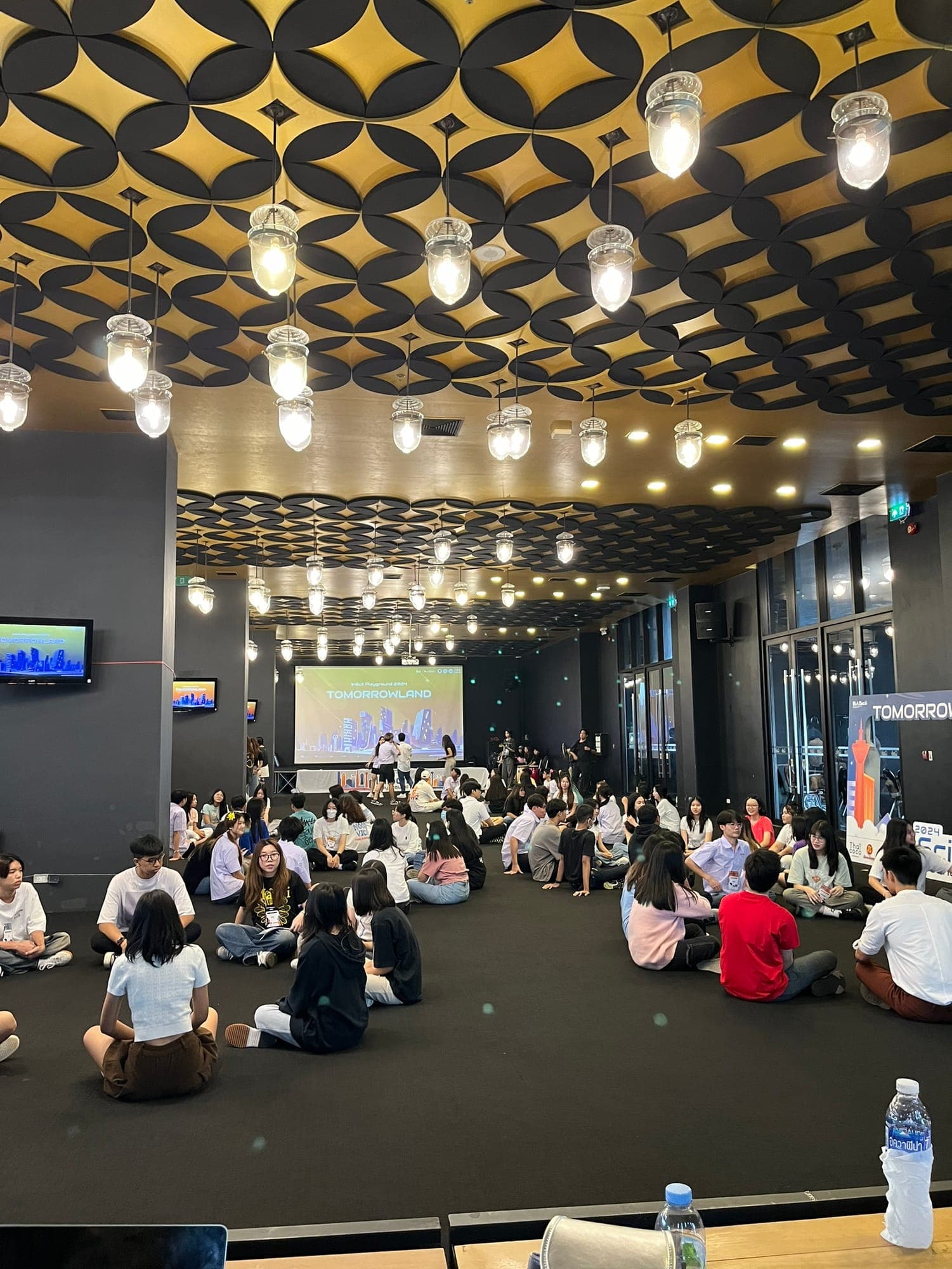
Every time, the event itself came together. The part that kept breaking was the simplest one on paper: getting everyone’s work in, and doing something with it.
- Downloading every fileJust to open it, until the laptop was full.
- Scores in ten spreadsheetsMerged by hand, at midnight.
- Shortlists copied by handInto the next form, team by team.
- Hunting for the deadlineAcross emails and group chats.
- “Did you get my file?”Asked again and again.
- final-v2-REAL.pdfNobody sure which one counts.
None of it was anyone’s fault. The tools were built for something else: storing files, collecting answers, sending email. Submissions fell in the gaps between them.
sendkan comes from the Thai ส่งกัน, meaning “let’s submit it.”
What I believe.
- Handing in should take seconds.Open the link, add the file, done. No account unless the organizers ask for one.
- Every submission gets an answer.A receipt the moment it arrives, with the server’s time on it. Nothing overwritten.
- The submit button is where it starts.Reading, scoring, feedback and results happen where the files are.
- Judging is a team effort.Every judge sees the same entries, the same rubric and the same clock.
Wherever people hand in work, sendkan should be the easiest way to do it, and everything after.
- TodayCompetitions, entry to winnerCollect, judge together and announce, with classes and file drops on the same platform.
- NextFewer reminders to sendEmails that go out on their own, reports you can hand on, and a showcase for the best work.
- LaterWhole organizationsUniversities and companies running every program in one place.